
Painting in Tomball
Careful prep on Old Town's many-layered trim, stain and seal for acreage wood, and clean repaints in the new sections, painting matched to how Tomball houses are actually built.
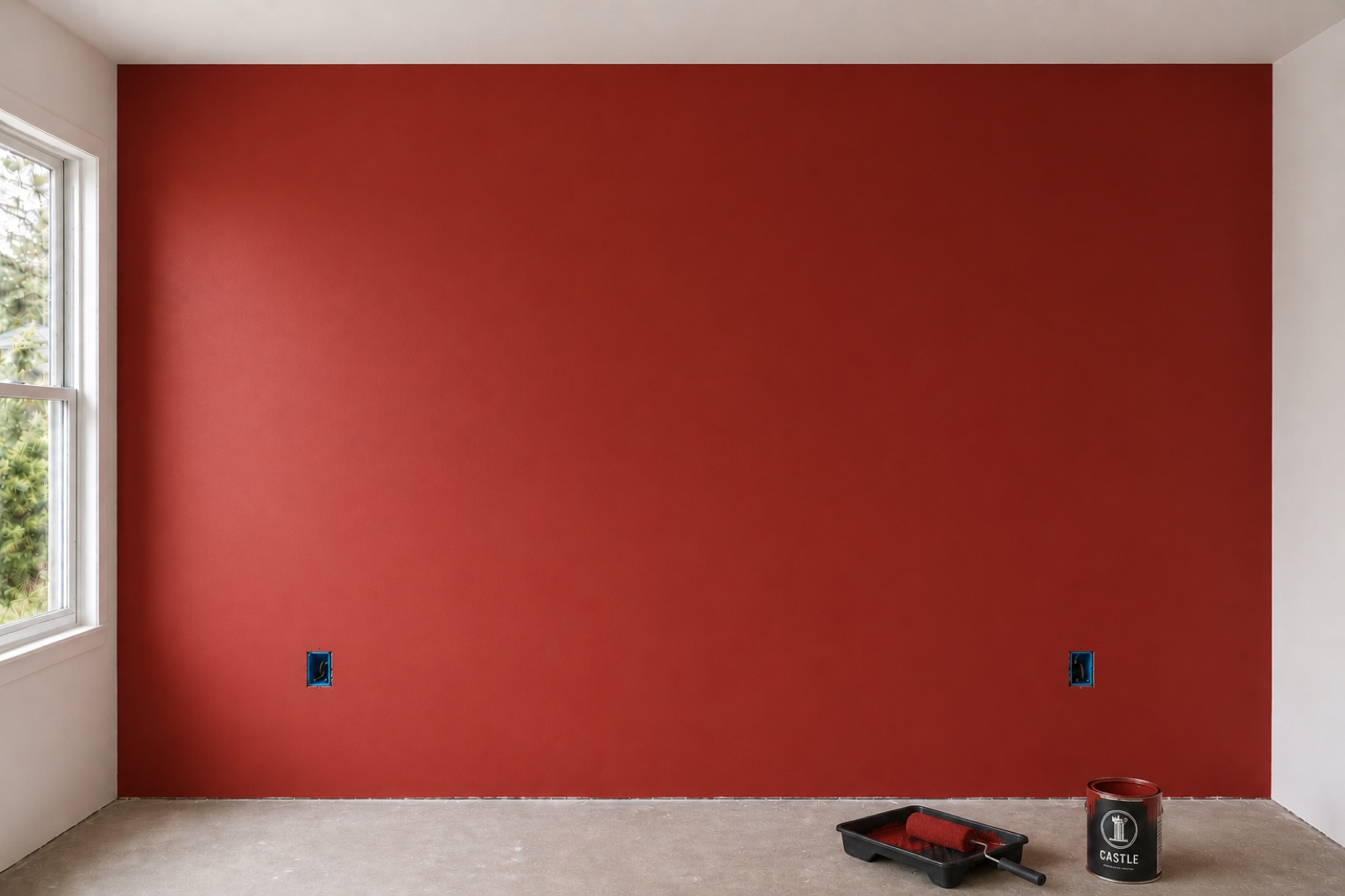
Painting in Tomball means switching gears street by street. An Old Town house carries decades of coatings that need careful sanding and honest assessment before anything new goes on. An acreage place near Pine Country is mostly a wood-care job, decks, fences, and siding that want stain, sealer, and mildew treatment more than they want another coat of paint. And a four-year-old home in Amira is ready for its first upgrade past builder flat. Castle Construction quotes each one for what it is, preps like it matters, and finishes clean.
Repainting Old Town's Layers
Mid-century Tomball trim can carry six or eight coats of paint, and the bottom layers on a house that age may predate 1978. We work those surfaces with respect, wet-sanding and careful scraping instead of aggressive dry grinding, dust contained and cleaned up, and a frank conversation when a surface is better encapsulated with sound primer and paint than stripped. Old houses do not need heroics; they need painters who know when to stop sanding.
The payoff for good prep on these houses is dramatic. Failed glaze and alligatored paint get taken back to a stable surface, open grain and checks get primed and filled, and window trim gets recaulked where a half-century of movement has opened the joints. Then quality enamel on the trim and a full-bodied topcoat on the body. Done right, a repaint on an Old Town house does not just refresh it, it buys the wood underneath another decade.
Stain, Seal, and Acreage Wood Care
Wood is the defining material on Tomball's acreage properties, and it takes a beating out here. Decks gray and check under full sun. Fence lines go silver, then soft. Shaded porch ceilings and north-facing siding grow mildew under the tree canopy, and sprinklers running well water paint orange mineral streaks down anything they touch. Each of those needs its own treatment before any finish goes on, coating over mildew or mineral staining just seals the problem in.
Our sequence: wash and treat mildew, brighten and neutralize gray wood where we are staining, block rust and tannin bleed with the right primer where we are painting, and let everything dry to spec before finish. Decks and fences get penetrating stain-sealers chosen for the exposure, applied at rates that actually protect rather than just tint. It is unglamorous, methodical work, and it is the difference between a finish that lasts a season and one that lasts a cycle.
- Deck cleaning, brightening, and penetrating stain-sealer
- Fence lines stained or painted by the run, not the panel
- Mildew treatment on shaded siding and porch ceilings
- Well-water rust streaks stain-blocked before repainting
- Tannin bleed sealed on cedar and raw wood
- Barn and outbuilding exteriors coated to match the property
First Repaints in Amira and Wildwood
Homes in Amira, Wildwood at Northpointe, and Lakes at Creekside are hitting the age where builder paint shows its limits, flat walls that scuff and cannot be wiped, trim enamel applied in one thin production coat, and a whole-house single color that never quite fit how the family lives. The first owner-driven repaint is where the house starts feeling like yours, and it is worth doing at a standard the builder's schedule never allowed.
We repair the settling cracks and nail pops first so you are not painting over problems, upgrade walls to a washable matte or eggshell, and give trim and doors the second coat of enamel they never got. Accent walls, a proper study color, a front door in something with a pulse, small decisions that read every day. Sharp cut lines and even sheen come standard, because that is the visible difference between a repaint and a real paint job.
Interior Finish Work Done Patiently
Interior painting is finish carpentry's quieter cousin, and we treat it that way. Walls get pole-sanded before coating so the topcoat lands smooth. Coped corners and crown get cut cleanly by brush, not flooded with caulk to hide a shaky hand. Cabinet and built-in enameling, a favorite in both Old Town originals and newer Tomball kitchens, gets full prep: degrease, scuff, bonding primer, and finish coats laid on to level out like a factory surface.
We also respect that you live in the house while we work. Rooms get sequenced so you always have usable space, furniture is protected properly rather than shoved and draped, and each day ends with the site tidy and tools out of your way. When we leave, you get labeled touch-up paint and a written record of every color and sheen. Castle Construction wants the last impression to match the first coat, careful, orderly, and exactly what was quoted.
Common Questions
How do you handle old paint layers on a mid-century house?
Carefully. On houses old enough that lower layers may predate 1978, we favor wet methods and contained scraping over aggressive dry sanding, and we stabilize and encapsulate sound old paint rather than stripping for the sake of it. You get a durable new finish without turning prep into a hazard.
What causes the orange streaks on my siding and fence?
Almost always well water from sprinklers, iron in the water oxidizes and stains whatever it hits. Repainting over it lets the stain bleed back through. We adjust what we can, clean the surface, apply a stain-blocking primer, and then topcoat, so the streaks stay gone.
How often should a Tomball deck be re-stained?
Full-sun decks generally want attention every two to three years; shaded ones stretch longer but fight mildew instead. The honest test is water, when it stops beading and starts soaking in, the sealer is done. We clean, brighten, and recoat before the wood itself starts paying the price.
Need this handled in Tomball?
Straight answers, fair numbers, walls built like they matter.
Get a Free Quote